Musty Smell From Your Vents After the Rainy Season
Why vents can smell musty after months of rain in Everett, WA, how to find the source, and which fixes need a duct cleaner, HVAC tech or mold pro.
After a long, wet stretch in Snohomish County, a lot of homeowners notice it the first time the system kicks on in a new season: a stale, earthy smell coming from the registers. Sometimes it fades in a day. Sometimes it hangs around for weeks.
A musty smell is a clue, not a diagnosis. It can come from something as simple as a dusty filter, or from moisture somewhere it shouldn't be. The trick is figuring out which, because the fix depends on the cause. Here's how to narrow it down in a Everett home.
First, notice when the smell shows up
Pay attention for a few days before you call anyone. The pattern tells you a lot.
- Only on the first run of the season, then gone within a day: often dust burning off or stale air that sat in the ducts. Usually not a concern.
- Every time the system starts, from every vent: points to something central, such as the filter, the return duct, or the equipment itself.
- Mainly from one room's vent: points to that one duct run, or to something in the room near the return.
- Worse in cooling mode on a heat pump: points toward the indoor coil or condensate drain, where water collects during cooling.
- Worse on rainy days: points toward moisture getting into a crawlspace, attic, or duct section from outside.
The usual suspects
A dirty or damp filter
This is the cheapest thing to rule out. A filter that has been in place for months in a damp house can pick up a musty smell of its own. Replace it, run the system for a day or two, and see if the smell changes.
Dust buildup in the return
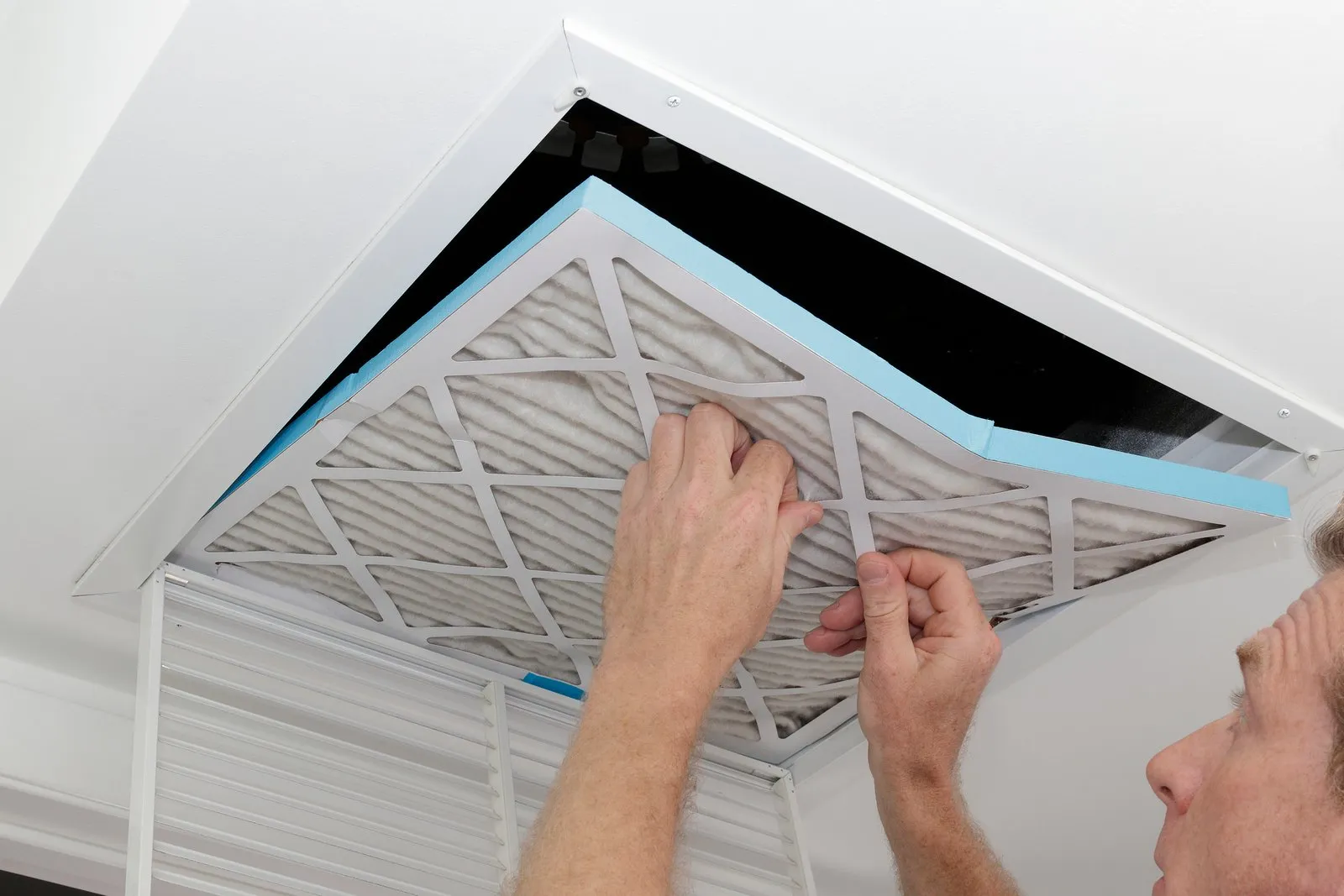
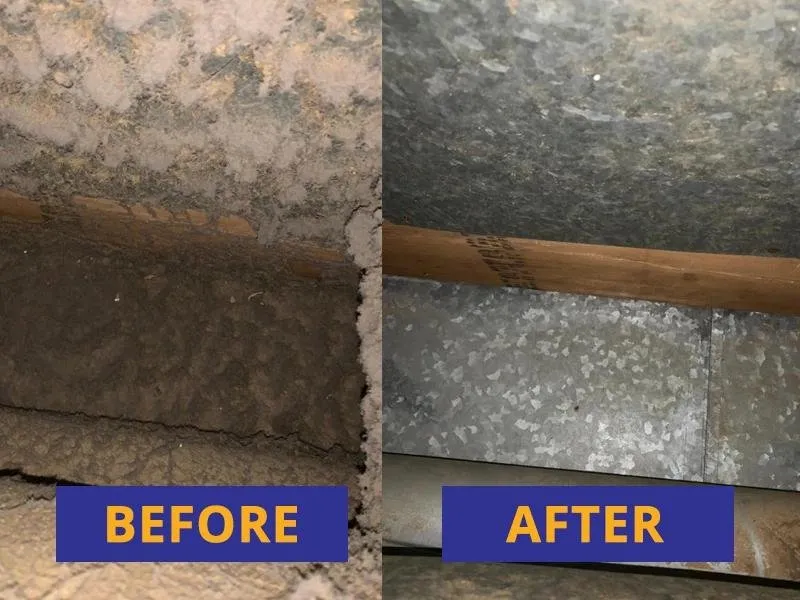
Returns pull in household dust, lint and pet hair. In a humid house, that dust can hold odors. If you remove a return grille and see a thick gray layer inside, the return duct is a likely source.
Ducts in a damp crawlspace
Many homes in our area have ductwork running through a crawlspace. If the crawlspace stays wet, or the vapor barrier is damaged, ducts there can pull in damp air through gaps and joints. The smell often gets worse after heavy rain.
The indoor coil and drain pan
Heat pumps and air conditioners pull moisture out of the air during cooling. That water drips into a pan and drains away. If the pan or drain line is clogged, standing water can create a musty or sour smell. This is HVAC equipment maintenance, and it's a job for an HVAC contractor, not a duct cleaner.
Mold
Visible mold on duct surfaces, insulation or around the equipment is a different issue. The EPA advises that if you suspect mold in your ducts, you should not run the system and should have the problem evaluated, and that the moisture source has to be fixed or the mold will likely come back. Mold should be handled by a qualified mold professional.
What you can do this week
- Replace the HVAC filter. Note the date so you know how long the new one lasts.
- Remove and wash return grilles. Vacuum just inside the opening as far as you can reach.
- Check the crawlspace. Look for standing water, wet insulation, or a torn vapor barrier. Don't crawl in if it isn't safe.
- Run the bathroom and kitchen fans. Lowering indoor humidity helps. EPA suggests keeping indoor humidity below 60 percent, and ideally between 30 and 50 percent.
- Smell each register. If one is clearly worse, note which room.
Which professional to call
Matching the problem to the right trade saves time and money.
| What you find | Who to call |
|---|---|
| Heavy dust in returns or supplies, smell from dust | Air duct cleaner |
| One dusty or stale-smelling run | Air duct cleaner (targeted cleaning) |
| Clogged drain, dirty coil, water at the equipment | HVAC contractor |
| Visible mold growth or water damage | Mold professional, then fix the moisture source |
| Wet crawlspace or leaks | Contractor who handles drainage or vapor barriers |
Where duct cleaning fits
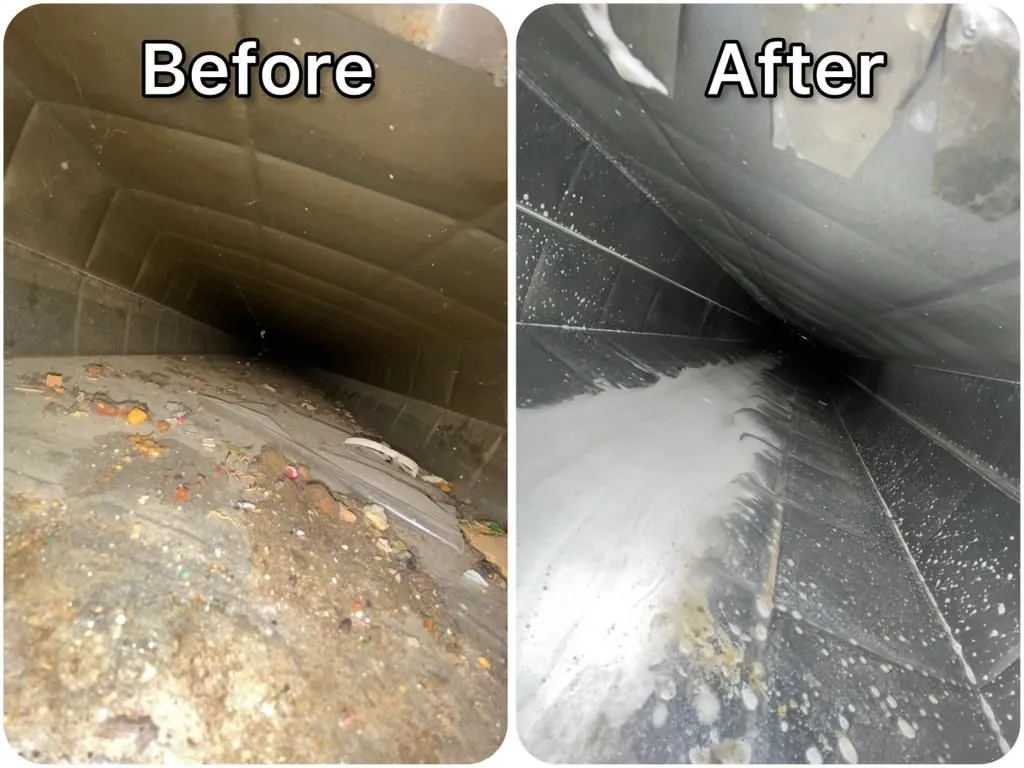
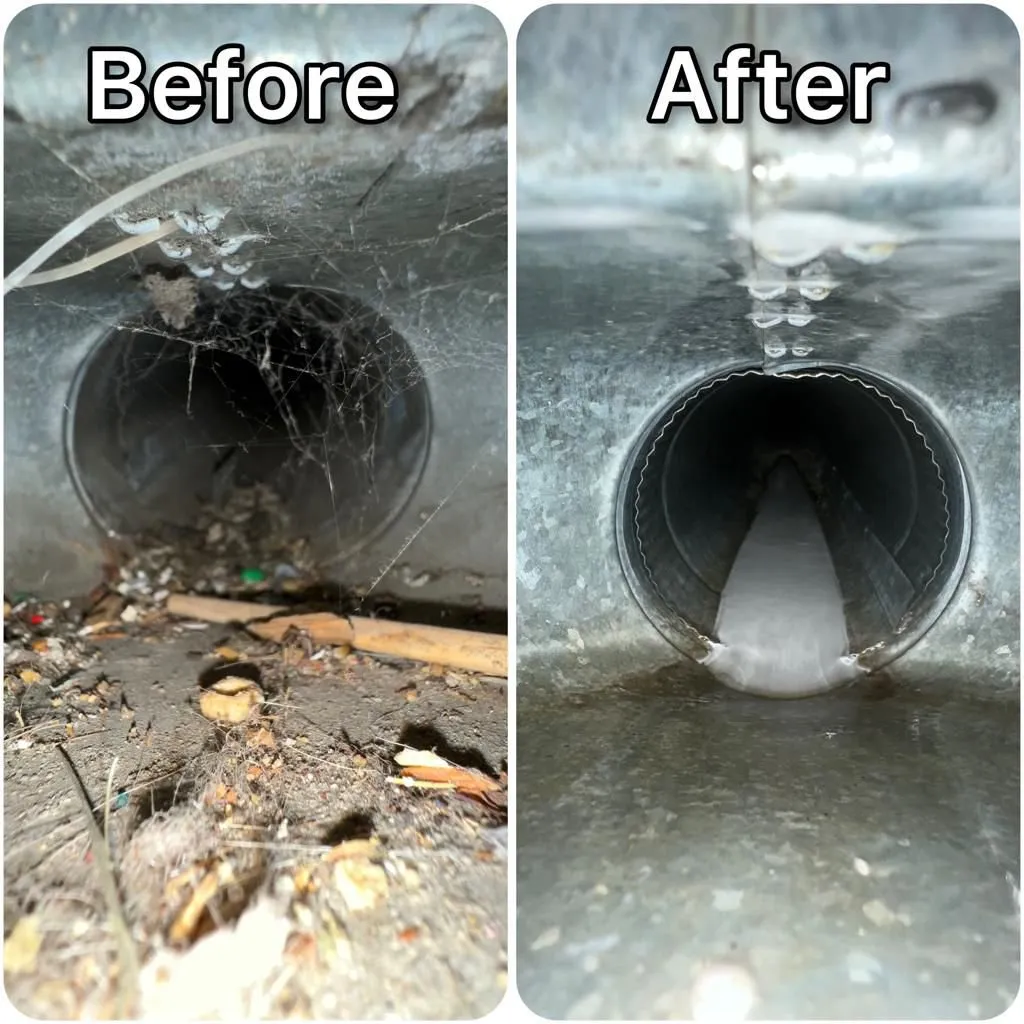
If the smell is coming from dust that has built up in the ducts, cleaning can help remove that buildup. It won't fix a moisture problem, and it isn't a substitute for a mold professional or HVAC repair. Once any moisture issue has been dealt with, cleaning the ducts can be a sensible next step so the system isn't recirculating old dust.
Moment Air Duct Cleaning offers whole-system air duct cleaning for $199 for up to 10 vents, plus $29 per additional vent, covering supply and return runs and registers. When the smell comes from just one or two vents, deep duct cleaning targets those runs at $59.99 per vent.
Read more about air duct cleaning and deep duct cleaning, or see our pricing page.