Floor Registers in Older Homes: What Falls In and Why
Floor vents catch more than dust. What collects under the grilles in older homes, what you can safely clean yourself and what a duct cleaning adds.
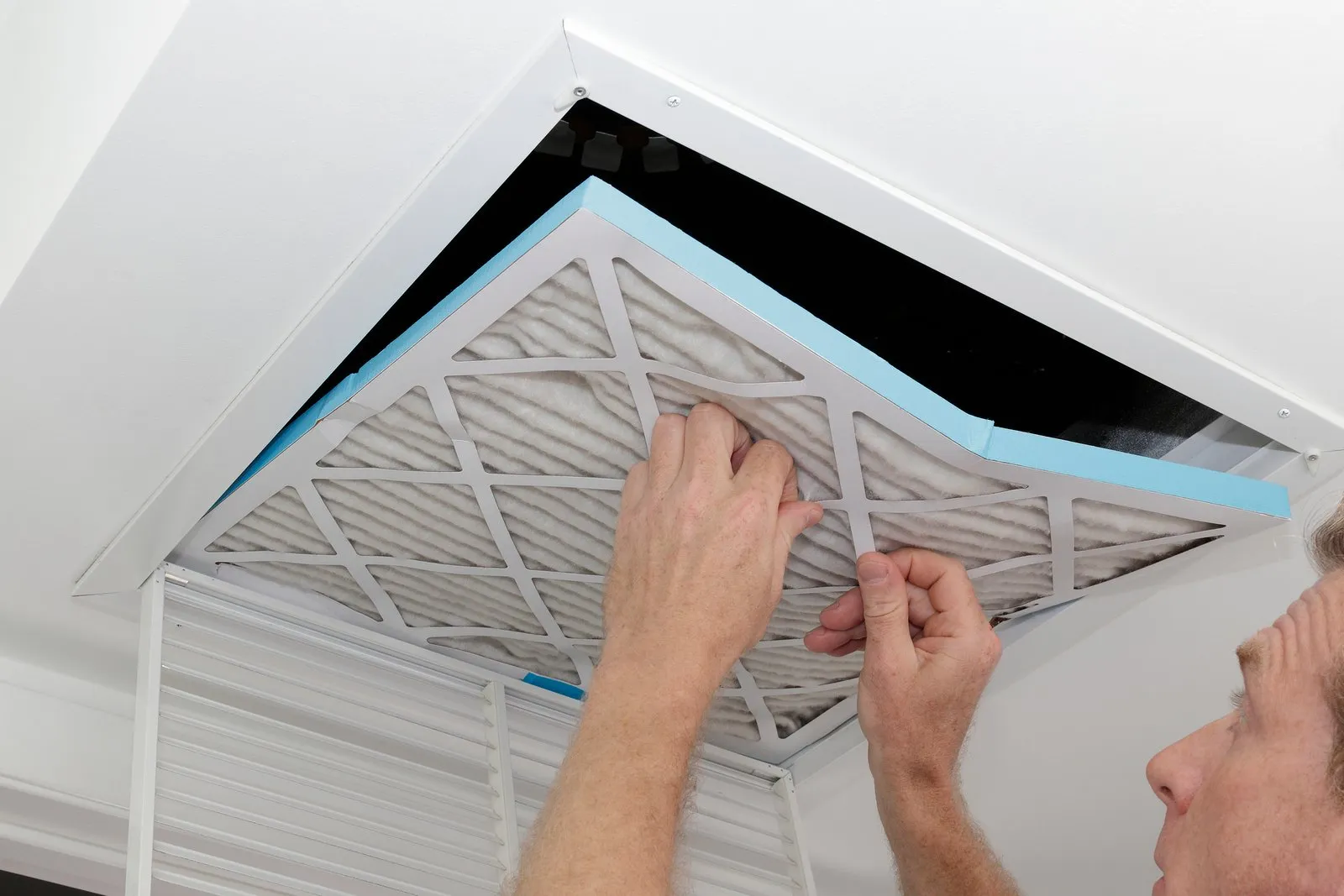
In many older homes around Everett, Mukilteo and Snohomish, heat comes up through the floor. The grilles sit in hardwood or carpet along exterior walls and under windows, and the ducts below run through a basement or crawl space. It's a layout that works, but it has one quirk ceiling and wall vents don't share: everything that hits the floor has a chance of ending up in a duct.
Here's what tends to collect in floor registers, how to keep them in good shape and when a professional cleaning is worth it.
What ends up under a floor grille
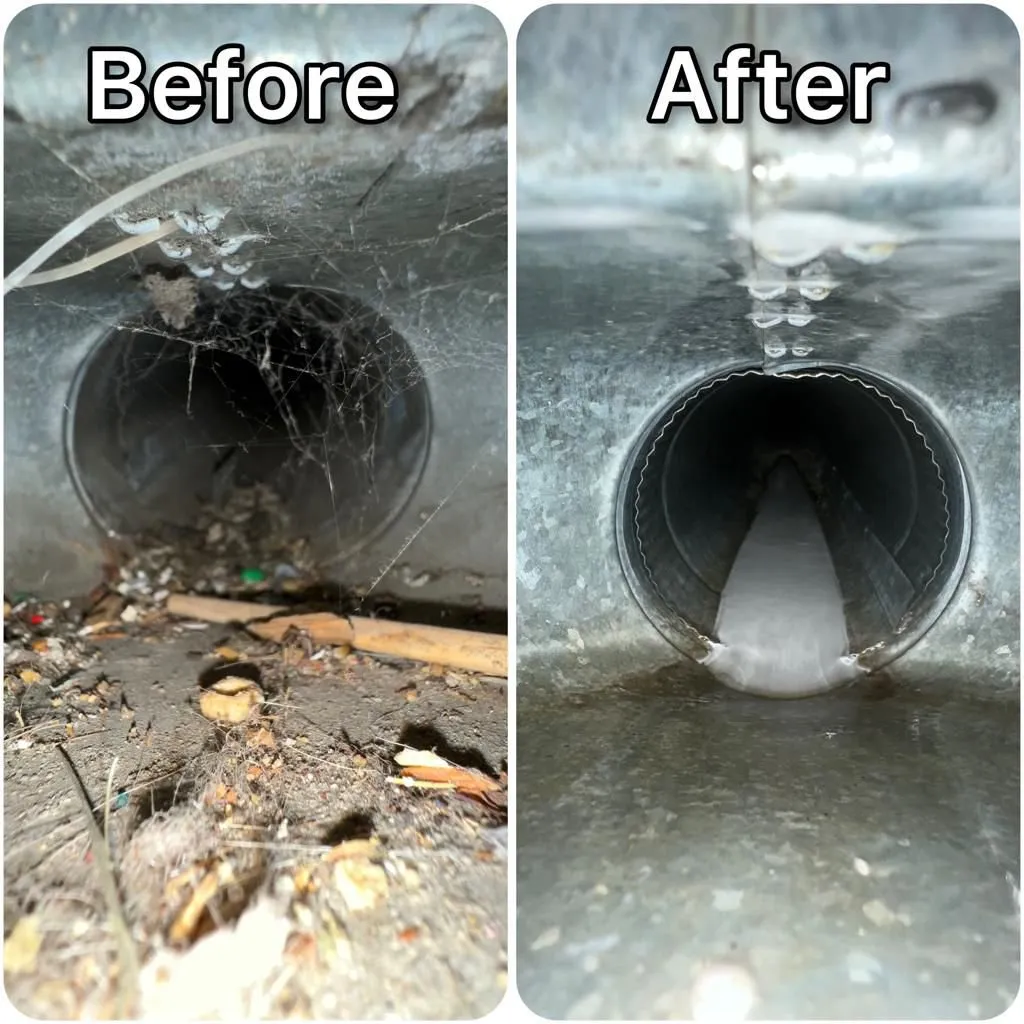
When we lift floor registers, the first few inches below the grille usually tell the story of the household. Common finds include:
- Pet hair and dust that gets swept toward the vent
- Sand, grit and small gravel tracked in from outside
- Crumbs, cereal and dropped food near kitchens and dining rooms
- Small toys, game pieces, hair ties, pens and coins
- Leaves and needles near entry doors
- Construction debris from past remodeling, like drywall dust, wood shavings or the occasional nail
Most of that sits in the short vertical section right below the grille, called the boot, and in the first part of the duct run. That's good news, because it's the easiest part to reach.
Why floor vents collect more
Gravity is the main reason. Ceiling and high-wall vents mostly collect dust carried by the air. Floor vents get that plus whatever falls, gets swept, or rolls across the floor.
A few other things make it worse:
- Grilles with wide slots let bigger objects drop through.
- Vents near doors collect whatever comes in on shoes and paws.
- Rugs and furniture over a vent trap dust around the edges and can push it into the boot when moved.
- Older grilles that don't sit flat leave gaps around the edge.
None of this necessarily means the deeper ductwork is dirty. It means the first section deserves regular attention.
What you can do yourself
You can keep floor registers in much better shape with a simple routine:
- Lift the grille. Most floor registers simply lift out. Some are screwed down. If one is stuck, don't pry hard enough to damage the flooring.
- Wash the grille. Warm, soapy water and a soft brush work for most metal and wood grilles. Dry it fully before putting it back.
- Vacuum the boot. Use a hose attachment to pick up what you can reach. The EPA recommends a high-efficiency vacuum (HEPA) or the highest-efficiency filter bags your vacuum can take for household cleaning.
- Fish out objects. A flashlight and a grabber tool help. Don't push anything further in.
- Put the grille back flat. Make sure the damper lever, if there is one, is open.
Doing this a couple of times a year, especially for vents near entries and kitchens, keeps a lot of debris out of the ducts. It won't reach the rest of the run, and that's where a professional cleaning comes in.
What a professional cleaning adds
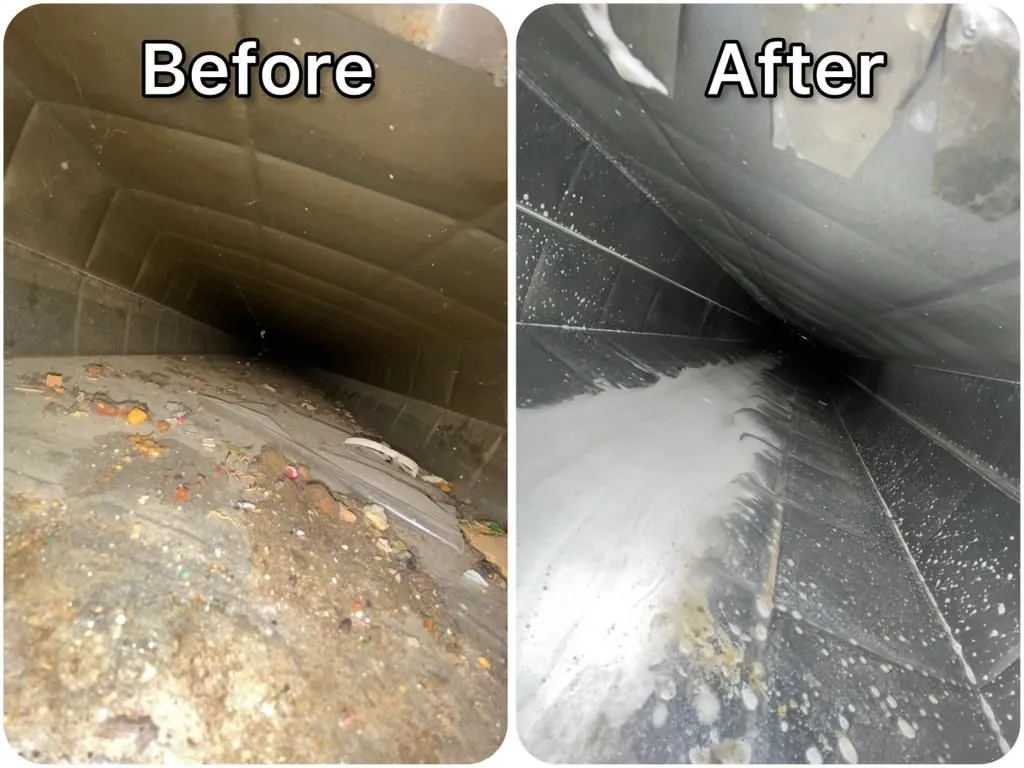
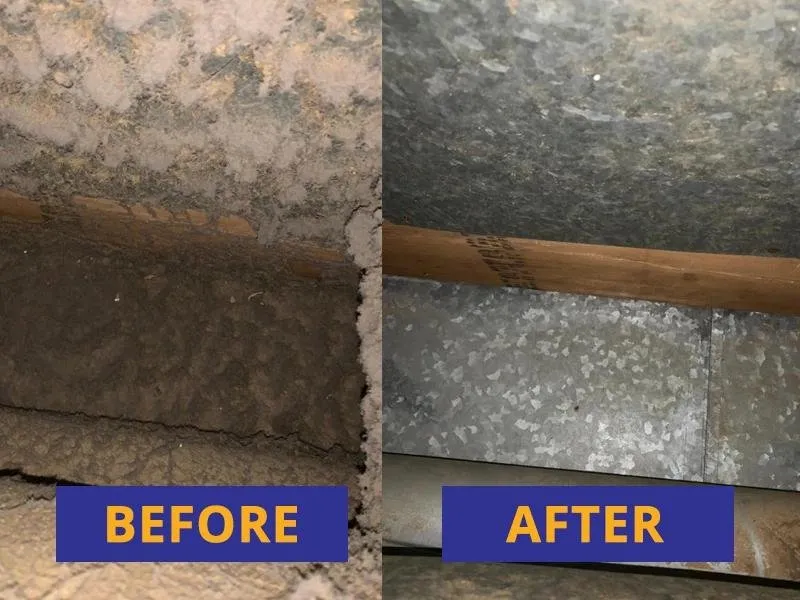
A homeowner vacuum reaches the boot. It doesn't reach the length of duct that runs under the floor back toward the furnace, or the return ducts. A cleaning does.
Our air duct cleaning covers the supply and return ducts and the registers. We use rotating brushes to loosen debris along the duct walls and a HEPA-filtered vacuum to pull it out of the system. Basic cleaning is $199 for up to 10 vents, plus $29 for each additional vent. Older homes sometimes have a few runs that are much worse than the rest, often the ones near a back door or a playroom. For those, deep duct cleaning at $59.99 per vent lets you focus where it matters.
If we notice something along the way, like a loose boot connection or a run that looks crushed, we'll mention it. Those repairs belong to an HVAC contractor.
When to call
Floor registers are worth a professional look if:
- Dust or debris blows out of the vents when the system starts
- You've lost something down a vent and can't reach it
- You've finished a remodel that involved sanding floors or drywall
- You've moved in and have no idea when the ducts were last cleaned
The EPA notes there's no evidence that a light amount of household dust in ducts poses a health risk, and that cleaning is worth considering when there's excessive dust or debris, or particles being released from the supply registers. If your vents look fine after a routine wipe-down, you may not need a cleaning yet.
If you're seeing more than you'd like under those grilles, request a free estimate from Moment Air Duct Cleaning. We'll take a look and give you a straight answer for your home.
Sources
- Should You Have the Air Ducts in Your Home Cleaned?, U.S. EPA, last updated February 19, 2026