Buying an Older Home? A Duct and Dryer Vent Checklist
A practical checklist for ducts and dryer vents when you buy an older home in Everett, WA: what to look at, what to ask, and what to do after closing.
Older homes are a big part of the market around Everett: mid-century ramblers, split-levels from the 1970s, and early 1900s houses that have been updated many times over. They often have character and solid bones. They also come with systems that have been changed, patched and extended by several owners.
A general home inspection covers a lot, but it usually doesn't look inside the ductwork or follow the dryer vent to the outside. This checklist helps you spot what to ask about before closing and what to plan for after you get the keys.
Before you make an offer: what you can see during a showing
You don't need tools for a first look. As you tour the house, note:
- Registers and grilles. Are they dusty, rusty, painted over, or loose? Floor registers in older homes can hold years of debris.
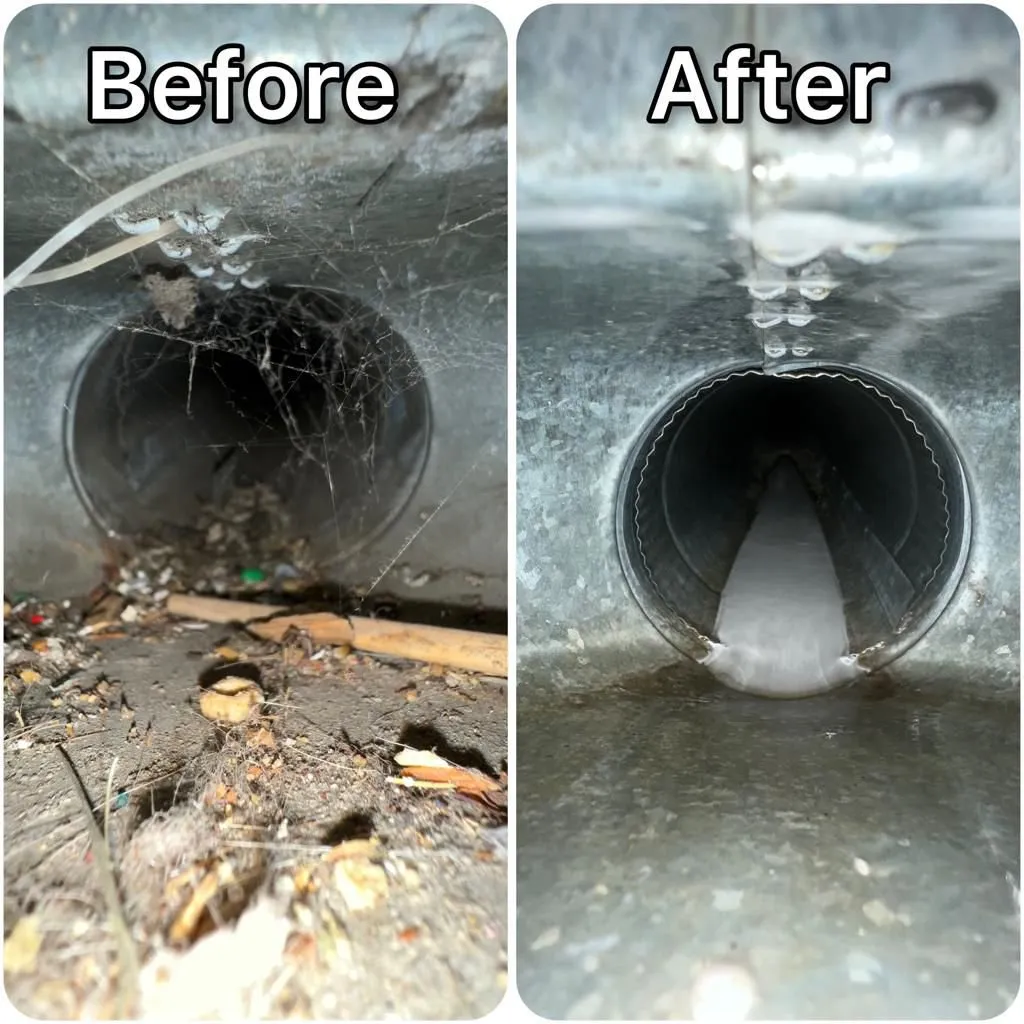
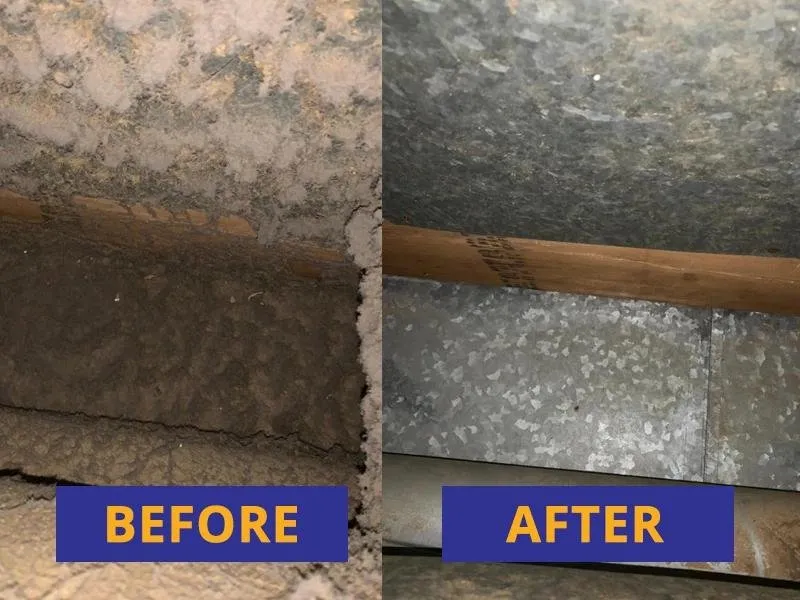
- The return grille. Usually the largest grille in a hallway or main room. A dark, fuzzy layer just inside suggests the ducts haven't been cleaned in a while.
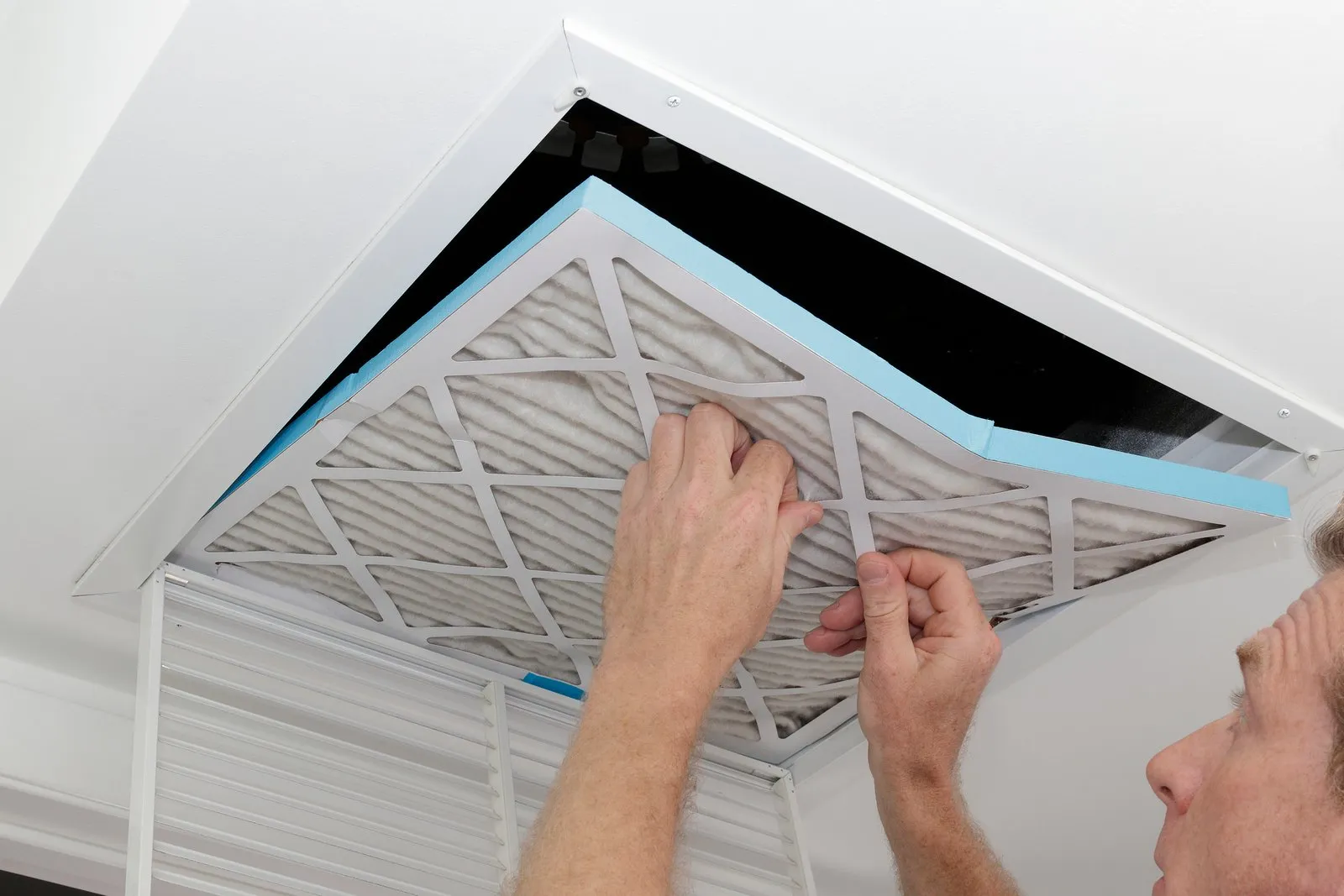
- The furnace or heat pump. Look for a filter slot and check how dirty the filter is. A neglected filter can be a hint about how the system was maintained.
- The laundry area. Look behind the dryer if you can. A crushed, foil or plastic transition hose is common and easy to fix, but it tells you how much attention the vent got.
- The outside dryer vent. Find where it exits. Lint on the siding, a stuck flap or a missing cover are signs of buildup.
Questions to ask the seller or agent
Sellers don't always know the answers, but it's worth asking:
- When was the heating system replaced, and was the ductwork changed at the same time?
- Have the ducts ever been cleaned? If so, roughly when?
- Has the house had any remodels, additions or water leaks?
- Have there ever been pests in the crawlspace, attic or ducts?
- Where does the dryer vent run, and where does it exit?
- Has anyone smoked indoors or kept pets in the home?
Remodels, pests and leaks are all reasons the EPA lists for considering duct cleaning. Pets and smoking can add to buildup and odors.
What older homes often hide
Ductwork added after the fact
Many early 1900s houses were built without forced-air heat. When a furnace was added, ducts went wherever they could fit: through closets, floor cavities and crawlspaces. Later owners may have added more runs for new rooms. The result is a mix of materials and a lot of joints where dust collects.
Original mid-century systems
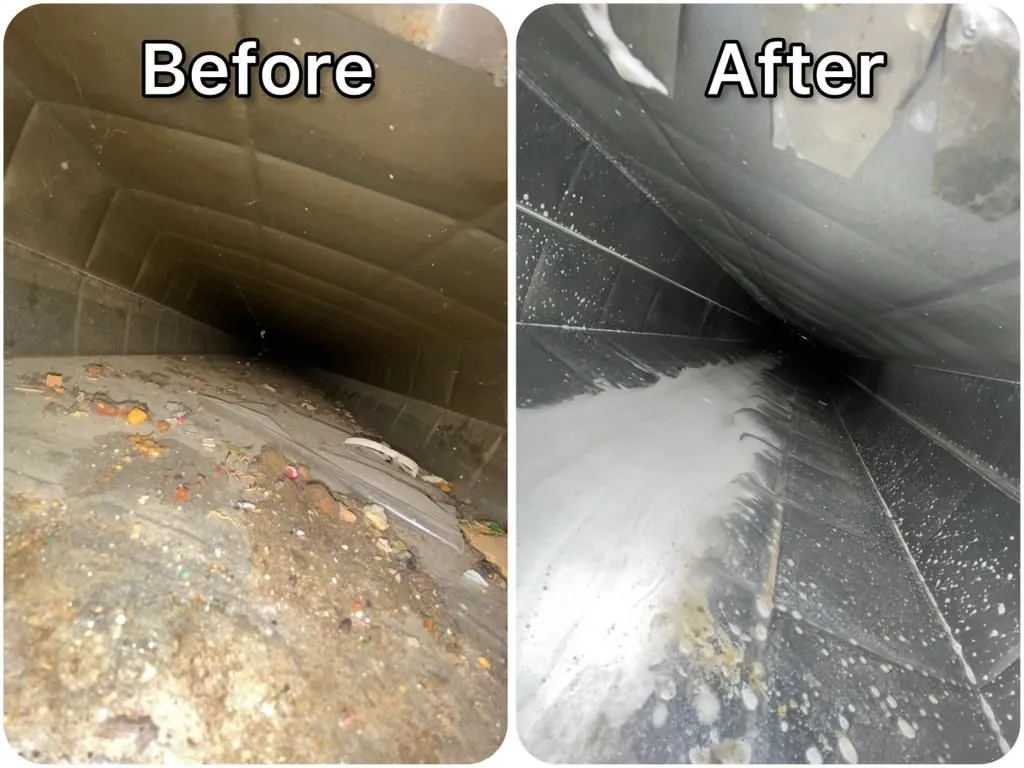
In homes from the 1950s through the 1970s, the furnace may have been replaced once or twice while the original ducts stayed in place. Decades of dust often sit along the bottom of the trunk lines and in the returns.
Crawlspace and basement runs
Ducts in crawlspaces are exposed to damp air, and in our climate that's a concern. Look for wet insulation, standing water, or disconnected sections if your inspector reports on the crawlspace.
Old dryer vent routes
Laundry rooms move during remodels. A vent that once ran three feet through a wall may now snake across a basement ceiling. Old vents may use materials that fire safety guidance now advises against.
Things that need a different professional
Keep the trades straight so the right person looks at each issue:
- Damaged, disconnected or undersized ducts: an HVAC contractor
- The furnace, heat pump, coil or drain pan: an HVAC contractor
- Visible mold or water damage: a mold professional, plus whoever fixes the moisture source
- Asbestos concerns: some older homes have duct wrap, tape or insulation that may contain asbestos. Don't disturb it. Have it tested and handled by a qualified professional before any work is done near it.
If any of these come up during inspection, sort them out before scheduling duct cleaning.
After closing: a sensible order
- Replace the HVAC filter on day one. Write the date on it.
- Fix anything the inspector flagged with the ducts or equipment, using an HVAC contractor.
- Have the dryer vent cleaned and checked before you start running loads, especially if you can't tell when it was last done.
- Have the ducts cleaned before you move furniture in, if possible. It's easier with empty rooms, and you start with a system free of the previous owners' dust, hair and debris.
- Set a reminder to check the filter monthly and the outside dryer vent every few months.
How we can help new owners
Moment Air Duct Cleaning cleans air ducts and dryer vents for homes across Everett and nearby communities. Basic air duct cleaning covers supply and return runs and registers for $199, up to 10 vents, plus $29 per additional vent. Dryer vent cleaning is $99 for up to 10 feet, plus $15 per extra foot, with an inspection included.
We don't do repairs, mold work or asbestos work, and we'll point you to the right trade if we see something outside our scope. See air duct cleaning, dryer vent cleaning or our pricing page.